
YouTube
Building a healthy lifestyle doesn't happen overnight. It comes from the small, consistent actions you take every day that support your health, fitness, and overall well-being.
If I were starting from scratch and wanted to build healthier habits today, these are the 10 things I would focus on first.
One of the biggest mistakes people make when trying to improve their health is attempting to change everything at once. While that initial burst of motivation can feel great, it's often difficult to maintain. Instead, I recommend choosing one or two habits to work on at a time. Once those habits become part of your routine, you can gradually introduce new ones.
These 10 habits are things I've developed through years of practice, trial and error, and experience as both a coach and an athlete. They aren't things I execute perfectly 100% of the time. Rather, they're habits I've consistently practiced over the years until they started to feel like second nature.
Remember to be patient with yourself as you work through these habits. Building a healthy lifestyle takes time, and consistency will always be more valuable than perfection.
One of the biggest game-changers for my own healthy habits has been scheduling my workouts ahead of time. It's also something I recommend to all of my coaching clients.
Take some time each weekend to look at the week ahead. I personally like to do this on Sundays, but Friday or Saturday works just as well.
Before scheduling your workouts, consider your existing commitments:
These commitments can affect when you're able to exercise, so planning ahead helps you identify the best times to fit in your workouts.
Once you've figured out your schedule, block off your workout times on your calendar. Treat them like any other appointment you wouldn't casually cancel, like a dentist appointment.
If you simply wait to see when you have time to work out, it can be easy for other responsibilities to take priority. Having a plan gives you a clear path forward and makes it easier to stay consistent.
This is especially helpful if you're working with a coach and already have your workouts laid out for you. You can move your sessions around to accommodate your schedule without having to figure out your entire training plan yourself.
Want to take the guesswork out of your training? Explore Kathletics' Sustainably Fit program for structure and accountability to help you stay consistent with your fitness goals.
Strength training is one of the most important habits you can develop for long-term health and fitness.
When I first started training, I was strength training 5-6x per week, along with cardio. Over time, my approach has evolved, and I've learned that more training isn't always better.
Your training routine should support your goals while still being realistic for your current lifestyle.
For most adults looking to build muscle, increase strength, improve endurance, and support long-term health, strength training 2-3x per week is a great place to start.
Of course, there are exceptions. If you're training for a specific event or have more ambitious strength goals, you may need a different approach. But if your goal is to build sustainable habits, you don't necessarily need to spend every day in the gym.
The key is consistency.
Just as you schedule your workouts in advance, make sure your strength sessions have a designated place in your weekly calendar. This helps prevent them from getting pushed aside when life gets busy.
Strength training is important, but cardiovascular exercise is another essential component of a well-rounded fitness routine.
My recommendation is to aim for cardiovascular training 2-3x per week, choosing activities that you enjoy and can realistically do on a regular basis.
You could go running, cycling, swimming, or participate in a group fitness class. You could also play pickleball, try boxing, or find another activity that gets you moving.
The best form of cardio is one that fits your interests, goals, and lifestyle well enough that you want to keep doing it.
You don't need to force yourself to do an activity you dislike just because you think it's the only way to improve your fitness. Find something that brings you joy and make it a regular part of your routine.
When you're building healthy habits, enjoyment and consistency matter.
Walking is an easy way to incorporate more movement into your day, especially if you spend much of your time sitting at a desk or working from home.
You don't need to set aside an hour or two every day to make walking a habit. Instead, look for opportunities to move throughout your existing routine.
For example, you could:
These small bouts of activity can add up over the course of the day.
As a general goal, I recommend working toward 8,000 to 10,000 steps per day. However, if you're currently averaging around 2,000 steps, jumping straight to 10,000 may feel overwhelming.
Instead, gradually increase your daily steps by approximately 500 at a time until you build toward a more active routine. Even working toward 6,000 to 8,000 steps per day can be a meaningful starting point.
The goal isn't to hit a perfect number every day. It's to avoid remaining sedentary for most of your waking hours and find more opportunities to move.
Start where you are and build from there.
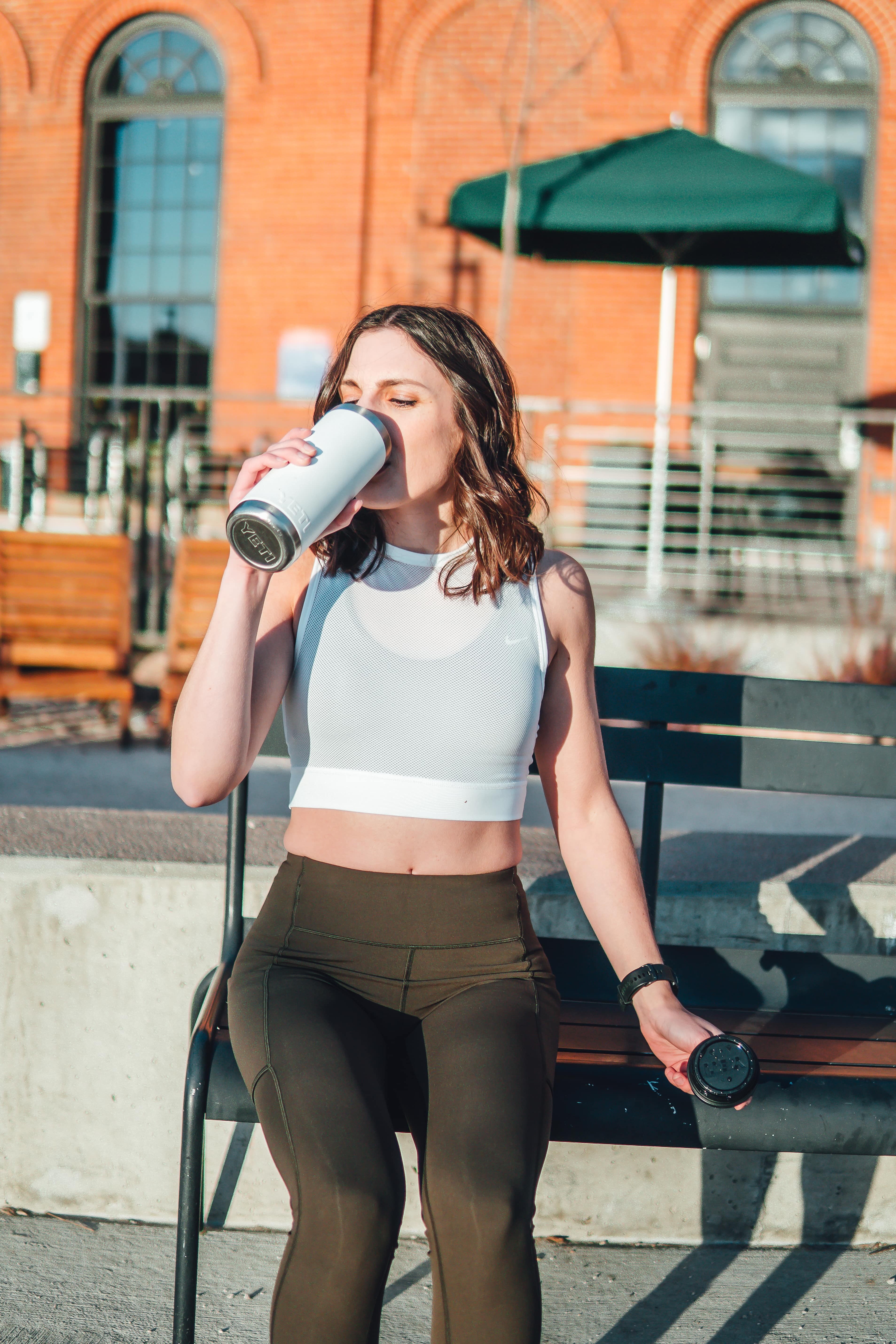
Staying hydrated is another simple habit that can support your overall health and fitness.
My recommendation? Keep a water bottle with you throughout the day.
I always have mine nearby. I jokingly call it my "emotional support water bottle", but there's a practical reason behind it: having water readily available makes it easier to remember to drink regularly.
And here's something that might sound silly but genuinely helps: choose a water bottle you enjoy using.
If you like how it looks, how it feels, or how easy it is to drink from, you're more likely to keep it nearby and use it consistently.
Rather than waiting until you feel thirsty to think about hydration, make drinking water a regular part of your daily routine.
You can keep your water bottle at your desk, bring it with you when you leave the house, or carry it in your gym bag.
Small changes like these can make healthy habits feel much more automatic.
Your nutrition plays an important role in supporting your health, energy levels, and fitness goals.
One habit I recommend is eating regular, well-rounded meals throughout the day. For many people, eating approximately every three to four hours can be a helpful starting point, although individual needs and schedules will vary.
When putting together your meals, aim to include a combination of:
Eating regular, balanced meals can make it easier to meet your protein and overall energy needs while helping you feel satisfied throughout the day.
It can also help you establish a more consistent eating routine instead of going long periods without eating and then struggling to get enough nutrition later.
Of course, meal timing and individual nutrition needs aren't identical for everyone. Your work schedule, training demands, appetite, and access to food will all influence what works best for you.
The goal is to find an approach that supports your health and fitness goals without making eating unnecessarily complicated.
Your daily habits outside the gym can have a significant impact on how you feel, recover, and perform during your workouts.
Two things worth paying attention to are alcohol and caffeine.
Alcohol can interfere with sleep and recovery, which may affect your ability to perform well during training and support muscle maintenance and growth.
If improving your health and fitness is a priority, consider how often you're drinking and whether reducing your alcohol intake could better support your goals.
Caffeine can be part of your daily routine, and many people use it to help them feel more alert and energized.
However, the timing of your caffeine intake matters.
Consuming caffeine later in the day can interfere with your ability to fall asleep or get quality sleep. I recommend considering an afternoon cutoff so that caffeine is less likely to affect your nighttime rest.
Pay attention to how your body responds and adjust your routine accordingly.
Sleep is an essential part of a healthy lifestyle, particularly if you're regularly strength training, running, or participating in other forms of exercise.
Your body needs time to recover from the physical demands of training, and consistently getting enough sleep can help support that process.
I recommend aiming for seven to nine hours of sleep each night.
One way to work toward this is by establishing a relatively consistent bedtime and wake-up time.
I understand that this isn't always possible. Your work schedule, family responsibilities, and personal preferences can all affect when you go to bed.
You don't need a perfect sleep schedule to make progress. Instead, focus on getting enough sleep and creating as much consistency as your circumstances allow.
Sleep should be considered part of your training plan, not an afterthought.
If you're consistently working hard in the gym but neglecting recovery, you may be making your fitness journey more difficult than it needs to be.
Stress management is often overlooked when people think about health and wellness, but it's an important part of maintaining a sustainable fitness routine.
Stress can affect how well you recover, how you feel during workouts, and your ability to maintain consistency with your training.
Exercise can certainly be a useful way to manage stress. However, training also places stress on your body, which means it's important to have other outlets available.
Think about what helps you relax, recharge, and enjoy your time outside of work and exercise.
Some examples include:
Having multiple ways to manage stress is especially important if you experience an injury or need to take a break from training.
If exercise is your only outlet, being unable to work out can make an already challenging situation feel even more difficult.
By developing other healthy habits, you can build a more well-rounded approach to managing stress and supporting your overall well-being.
The people you spend time with can have a meaningful influence on your habits, mindset, and progress toward your goals.
Having supportive friends and family members can make it easier to stay encouraged, particularly when you're working toward a goal that requires consistency over time.
These people don't necessarily need to share your exact goals. They don't have to be runners, weightlifters, or fitness enthusiasts themselves.
What's important is that they respect your goals, encourage your efforts, and create a positive environment where you feel supported.
For example, having a friend who checks in on your progress, a family member who encourages you to prioritize your health, or a workout partner who helps keep you accountable can make a difference.
I also encourage finding opportunities to connect with people in person. Building relationships and having a community you can rely on can be valuable beyond your fitness journey, too.
If you're working toward a new habit, consider sharing your goal with someone you trust. Let them know what you're working on and how they can support you.
You don't have to do it alone.
These are the 10 habits I recommend focusing on if you want to build a healthier lifestyle and stay fit for life:
You don't need to tackle all 10 habits at once.
Choose one or two that you feel would make the biggest difference in your life right now. Focus on practicing them consistently until they start to feel natural. Then, when you're ready, introduce another habit.
Building a healthy lifestyle isn't about doing everything perfectly. It's about developing routines that support your goals, fit your life, and are realistic enough to maintain over the long term.
At Kathletics, we believe fitness should support the life you want to live. Whether you're looking to build strength, improve your endurance, train for a race, or spend more time enjoying the outdoors, the goal is to create an approach that you can sustain.
Ready to build a more structured and sustainable fitness routine?
Explore Sustainably Fit, our hybrid training program designed to help you build strength and endurance with a plan you can follow.
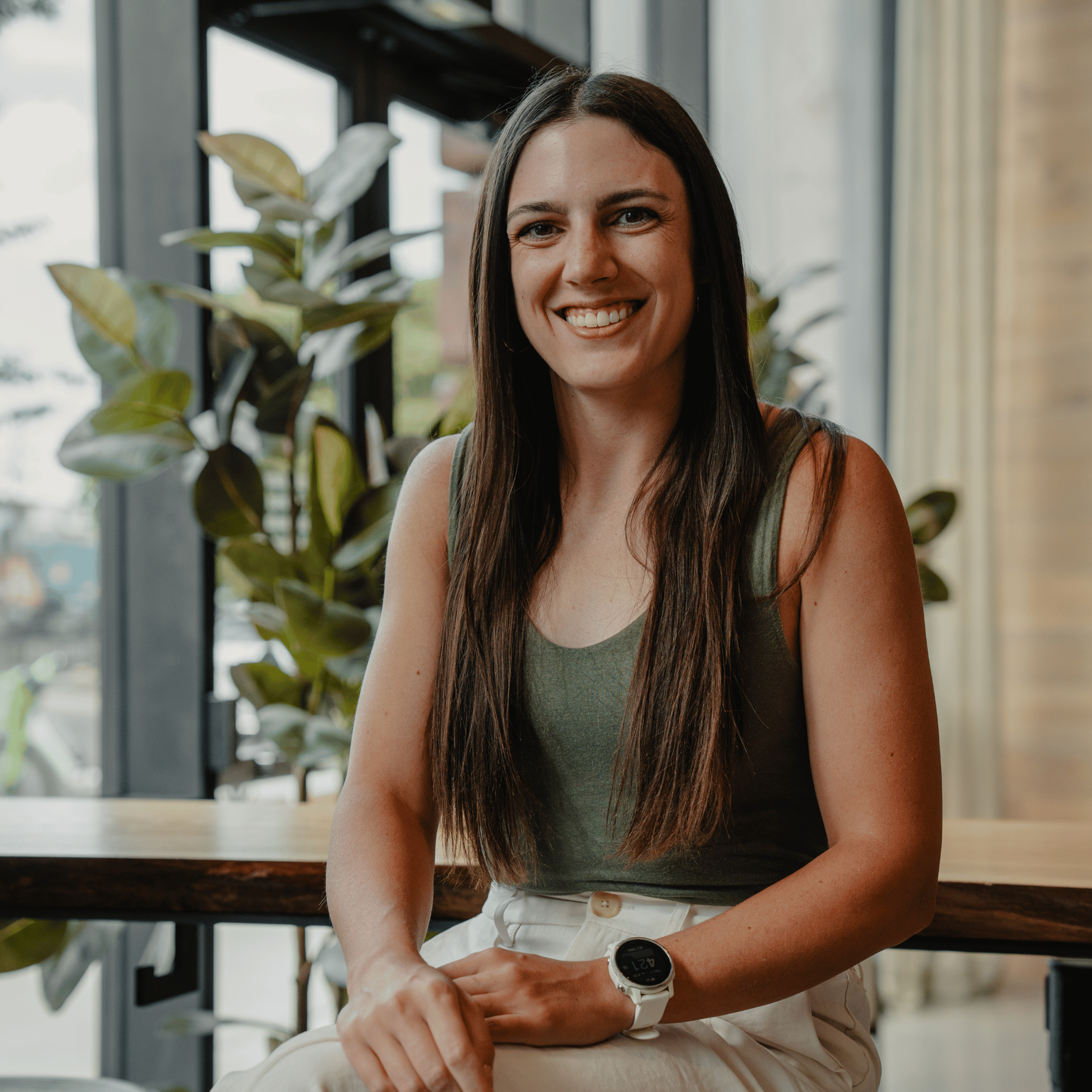
Katharine Moustakes is the founder, personal trainer, and running coach of Kathletics. She coaches runners, hikers, and outdoor enthusiasts to build strength and endurance that can be sustained all year long. Through the Kathletics blog, she shares practical advice to help athletes train smarter, stay consistent, and achieve their goals.
Get strength and endurance tips, running recs, and all the Kathletics updates right to your inbox.
