

YouTube
In July, we celebrated nine years of Kathletics being in business.
When I first started, I worked in person at a gym for a few years before eventually going full-time in my own business. Looking back, it’s pretty wild to think about how much my approach to training, coaching, and running has changed over the years.
And honestly? It should change.
There’s always going to be growth in your career. The things I programmed and the way I coached when I first started are very different from how I approach training today. Some of those early methods make me cringe a little, but that trial and error was part of the process.
I also didn’t grow up as an athlete. I played a couple of sports as a kid, but I didn’t participate in long-term team or individual sports. I really didn’t get into fitness until my last year of high school and into college. A few years after college, I became a personal trainer and running coach.
So, between training myself and coaching professionally, I’ve learned a lot over the years.
Here are nine of the biggest lessons I’ve learned throughout my nine years as a coach.
When I first started training myself, I was very much an all-or-nothing person.
I wanted to go all in. I trained almost every day and focused heavily on doing everything "right."
What I didn't understand at the time was how much the other pieces of fitness mattered.
I wasn't paying enough attention to recovery, nutrition, sleep, or stress management. I was focused on training and, at the time, aesthetics.
Now, my approach is completely different.
I would much rather see my clients and athletes consistently show up for their training than try to hit every single marker perfectly every day.
Because perfection doesn't exist in fitness.
Consistency will take you much further than doing everything perfectly for a short period of time and then burning out.
I'd rather you do things imperfectly and consistently than perfectly for a few weeks.
Another major shift in my coaching philosophy has been how I understand motivation.
When I first started, I relied heavily on motivation. I wanted my clients to feel motivated about their fitness and their goals.
But motivation doesn't stick around forever.
Instead of asking, "How can I stay motivated?" I want you to ask:
What motivates me to show up even when I don't feel like it?
Maybe you're motivated by rewards. Maybe you enjoy working out with a friend who holds you accountable. Maybe having a coach or trainer holding you accountable helps you stay consistent.
Understanding what drives you is much more useful than expecting yourself to feel motivated every single day.
When you're setting goals, take some time to think about what actually helps you keep showing up.
My own approach to training has changed dramatically in this area.
Before I became a trainer, I was heavily focused on cardio and didn't do much strength training.
Then I became a trainer and swung in the opposite direction. I focused heavily on strength training and didn't put as much emphasis on cardiovascular training.
Since then, I've shifted toward hybrid training, which combines strength and cardiovascular training.
Both are important for your health and fitness.
Whether your goal is to build muscle, increase strength, improve endurance, or simply feel better in your body, you don't necessarily have to choose between strength and endurance.
There is value in training both.
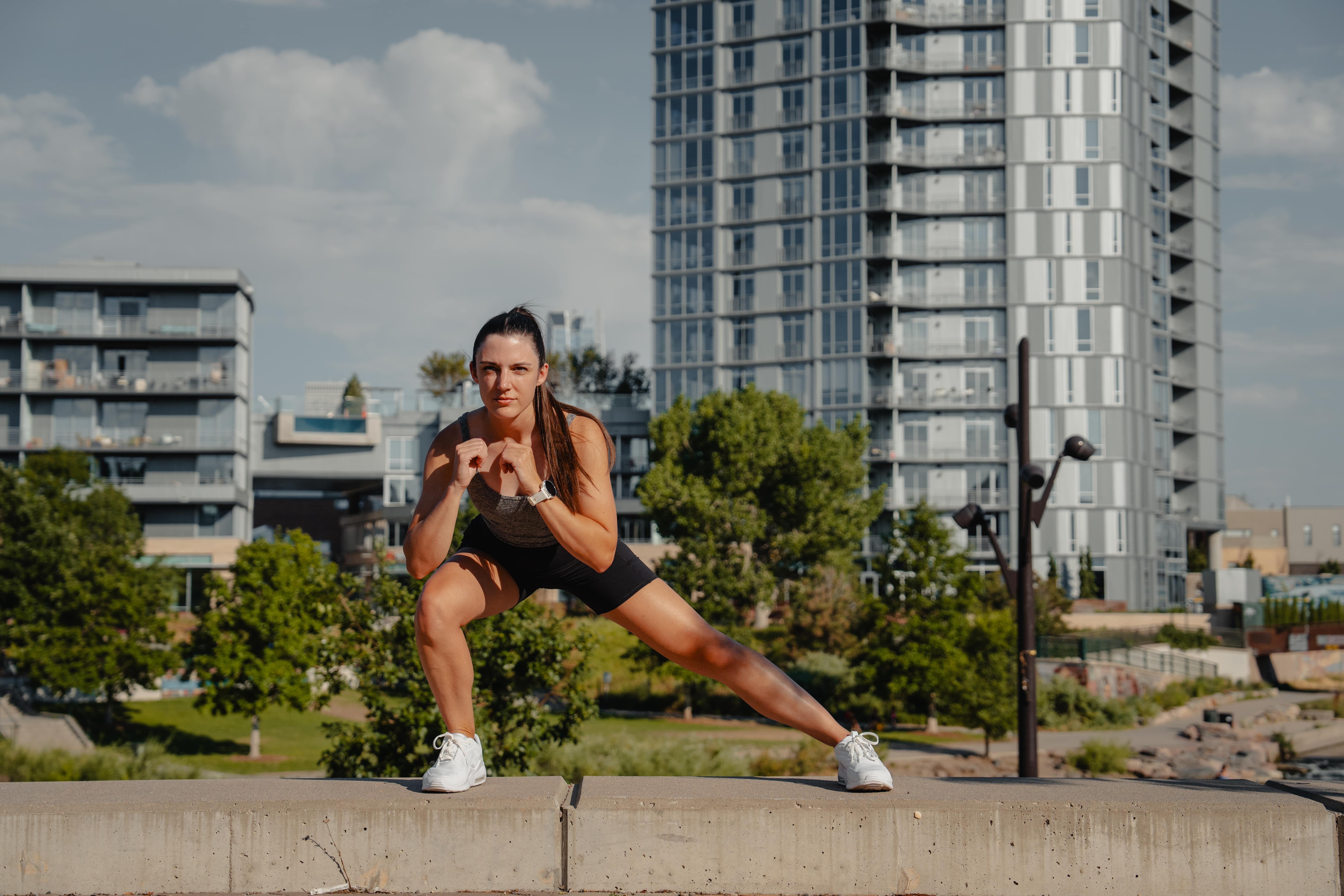
Early on, I didn't really approach training with rest days.
It was either no days off or suddenly taking a lot of time off.
I've learned that neither extreme is particularly helpful.
Rest days are an important part of your training program because that is when your body has the opportunity to recover and adapt to the work you're doing.
If you're training seven days a week, every week, eventually you may reach a point where you simply can't handle the training load anymore. That's when you can end up needing significantly more time away from training.
Instead, build recovery into your program from the beginning.
At least one rest day per week can help give your body the time it needs to recover and adapt.
There's absolutely nothing wrong with having an aesthetic goal, training for a race, or preparing for a specific event.
Those are all valid goals.
But I've learned to look at training through a much bigger lens.
Instead of thinking only about the next race or the next six-week goal, think about how you want to feel for the rest of your life.
Whether you're 30 or 95, the overarching goal should support feeling strong, capable, and confident in what your body can do.
Your race, event, or aesthetic goal can exist alongside that bigger picture.
But health and longevity should remain part of the conversation.
After all, what happens when the race is over?
What happens when you reach the aesthetic goal?
You still have a body to take care of.
Training should be about more than reaching one temporary destination. It's about building a foundation that can support you throughout different seasons of your life.
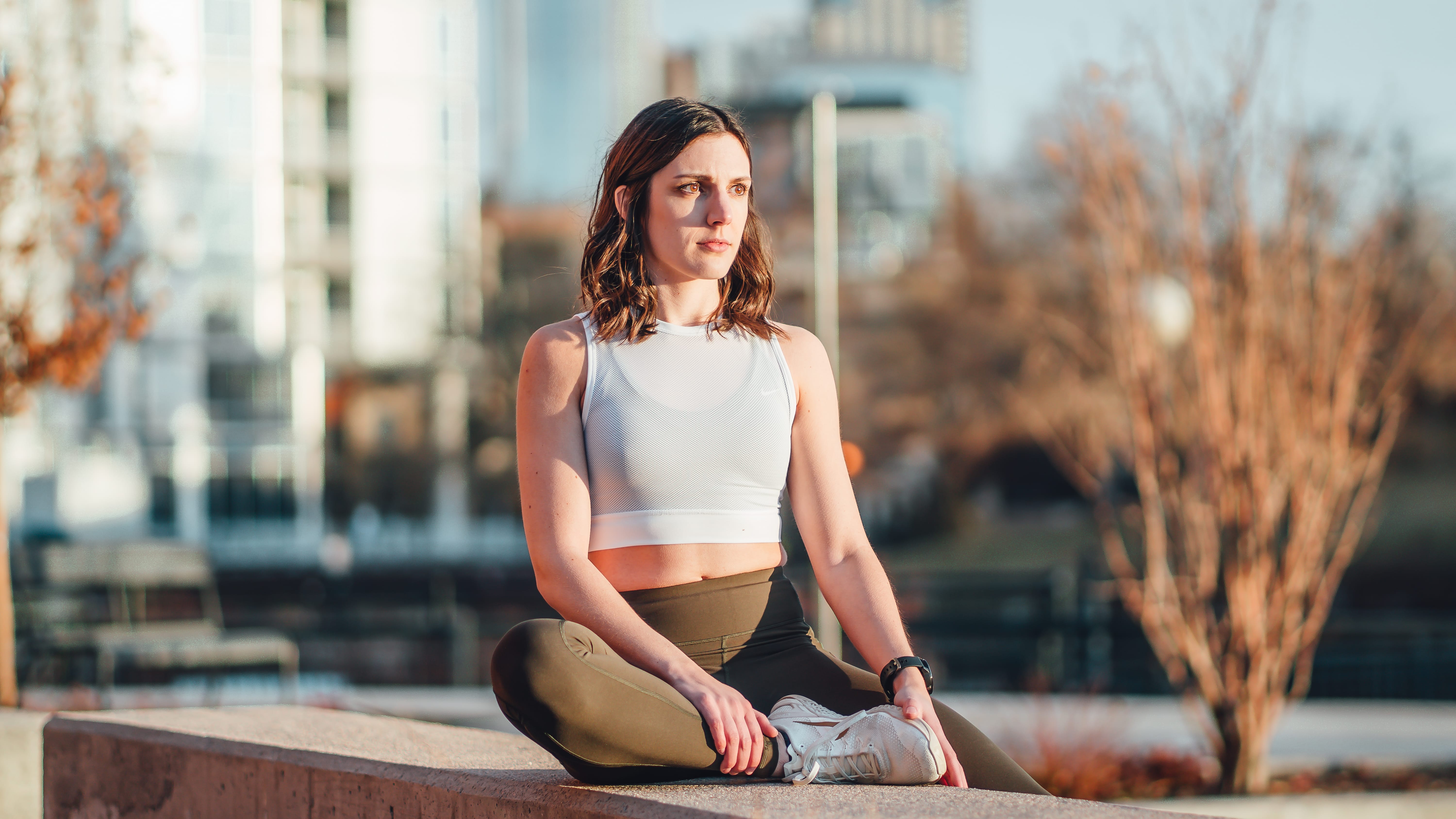
This is something I think is incredibly important, regardless of what your fitness goals are.
Whether you're trying to gain muscle, lose weight, train for a race, or improve your strength, how you talk to yourself matters.
If you're constantly telling yourself:
That mindset can affect how you approach your goals and your training.
Your thoughts aren't who you are, but the way you speak to yourself can influence how you approach challenges.
And if positive self-talk feels too far away right now, start with neutrality.
Instead of saying, "I'm terrible at running," try:
"I'm not where I want to be yet, but I'm working toward my goal."
You don't have to convince yourself that everything is perfect. You can simply recognize that you're making progress.
If you're starting a new training program or working with a coach, it's easy to think:
"I want to accomplish this goal in six weeks."
Or eight weeks.
Or twelve weeks.
And sometimes, especially when you're training for a specific race, you may have a defined timeline.
But building long-term habits and routines is different.
If you're trying to completely change your lifestyle, develop new routines, or establish habits that you've never had before, give yourself some grace.
Those changes often take longer than a four-, eight-, or twelve-week transformation program might suggest.
The goal shouldn't simply be to make a change for a few weeks.
The goal is to figure out what works for your life long term.
One of the biggest things I've learned is that you can't look at training in isolation.
When I first started coaching, I would ask clients about nutrition, sleep, and stress, but I don't think I fully understood how deeply those aspects affect recovery and performance. Now, I recognize how important it is to look at the whole picture. That includes:
Nutrition:
Make sure you're eating enough to support your goals, getting adequate protein, including carbohydrates—especially if you have performance goals—and incorporating healthy fats.
Sleep:
Sleep plays a major role in recovery. If you're consistently getting six or fewer hours of sleep, look for ways to improve both the quality and quantity of your sleep. Seven to nine hours may be a good goal, although I recognize that's not always realistic depending on your season of life.
Stress management:
Your overall stress matters, too.
Training itself is a form of stress. It can be positive stress, but if you're already dealing with significant stress in other areas of your life, your ability to recover from training can be impacted.
Your training program doesn't exist in a vacuum.
Your nutrition, sleep, stress, recovery, and lifestyle all play a role in how you feel and perform.

And yes, I realize this is a little ironic coming from a personal trainer and coach.
But I've seen firsthand how much easier it can be to make progress when you have a plan.
A good training program gives you structure, intention, and purpose.
Instead of constantly wondering:
"What should I do today?"
You have a plan that meets you where you are and gives you a path toward your goal.
And here's the important part:
The program doesn't have to be perfect.
Whether you're working with me or another coach, the most important thing is that your program is appropriate for where you are right now.
There isn't one perfect way to train.
The best program is one that fits your current goals, your current abilities, your schedule, and your life—and one that you can actually stick with.
If I could go back and give my younger self a few pieces of advice, it would be this:
You don't have to do everything perfectly. You just have to keep showing up.
Fitness isn't about finding the perfect workout, the perfect diet, or the perfect training plan.
It's about creating something that works for you and that you can sustain.
Over the past nine years, my approach to training and coaching has changed because I've changed. I've learned from my own experiences, from working with clients and athletes, and from the trial and error that comes with building a career.
And I'm sure I'll continue to change and learn over the next nine years, too.
That's part of the process.
If you're looking to take the guesswork out of your training and want a more sustainable approach to strength and endurance, check out the Kathletics hybrid training programs.
.png)
Katharine Moustakes is the founder, personal trainer, and running coach of Kathletics. She coaches runners, hikers, and outdoor enthusiasts to build strength and endurance that can be sustained all year long. Through the Kathletics blog, she shares practical advice to help athletes train smarter, stay consistent, and achieve their goals.
Get strength and endurance tips, running recs, and all the Kathletics updates right to your inbox.
