

Nutrition
As a running coach, one of the most common questions from runners is, “What should I eat before my run?” – and for good reason. Pre-run nutrition plays a massive role in how you feel, perform, and recover. Whether you’re heading out for an early morning jog or hitting the trails for a long run after work, what you eat beforehand can make all the difference.
While you’re dialing in your nutrition, join Sustainably Fit to get access to all of our beginner-intermediate running plans between 5K-50K.
Fueling before your run isn’t just about curbing hunger – it’s about giving your body the necessary fuel and energy to support your run. A proper meal or snack can help you run stronger, recover faster, and actually enjoy the workout instead of fighting fatigue or bonking. Bonking is when you experience a sudden drop of energy due to depleting your glycogen stores. To avoid bonking, you must be fueled at the start and continue to fuel throughout your run, depending on the run duration.
So, let’s get into why you should care about your pre-run nutrition, why timing matters, what you could eat, and what to avoid.
How you eat before, during, and after your runs will directly impact your ability to perform and recover. Your overall diet should include a balance of lean protein, carbohydrates, healthy fats and fiber. When it comes to pre-run nutrition, this is where carbohydrates shine. If you’ve ever wondered why pre-run nutrition matters or how eating before a run affects performance, here’s what’s really happening inside your body: your brain needs glucose and your muscles need glycogen to function well during endurance training. Note: although carbohydrates are not an essential macronutrient, they are your body’s preferred form of energy. By including easily digestible and accessible carbs in your pre-run nutrition strategy, you are setting your mind and body up for success when it comes to fueling.
Bonus: Not only does pre-run nutrition help your performance and consistency during your workout, it also aids in maintaining your blood sugar throughout the run and helps you recover quicker in between workouts. Who doesn’t love a quick turnaround in recovery?!
Pre-run nutrition benefits:
Did you know your intra-run fueling is important, too? Download our free Fueling Guide for the Trails.
“How long before a run should I eat?”
Before deciding what to eat, you need to consider when you are eating. If you’ve ever over-ate too close before a run, you know that uncomfortable feeling of stomach distress. The sloshing, gurgling, and burping is no fun. No thanks! On the other hand, if you’ve ever under-ate before a run, you know that sluggish feeling where your legs feel like a ton of bricks. No thanks, again! Neither of these options sound great, right? In order to find the sweet spot of feeling fueled and energized, consider the following time frames:
- 3-4 hours before running. Since this duration gives you time to digest fully, aim for a well-balanced meal that includes carbs, protein, and healthy fats. Note: at Kathletics, we do not recommend running without fueling within 4 hours if you want to feel energized and perform well.
- 1-2 hours before running. You will still have time to digest, but focus on easy digestible carbohydrates and a little bit of protein. Focus less on fats as those take longer to digest. Keep it low fiber, too.
- 30-60 minutes before running. Aim for simple, quick carbs that are easy to digest. This will help provide accessible energy that is ready to be used.
Pre-Run Meal Timing at a Glance:

On top of deciding between 30 minutes and 4 hours for fuel consumption, you will want to consider if you are running first thing in the morning, midday, afternoon, or evening. This can impact how much fuel you have already consumed throughout the day and how much food is necessary to feel fueled for your run. If you do run in the early morning and don’t have enough time for a full meal, grab a quick carb like a banana or English muffin – something is always better than nothing!
Ultimately, everyone’s digestive system works differently. Similarly to how you fuel during your runs, you may need to trial and error what works for you pre-run. What sits well? What causes distress? What provides energy? What goes right through you? This trial and error period should take place well before your race day so you have time to dial in your nutrition strategy.
What you choose to eat pre-run depends on what you enjoy, how much time you have to digest, and what sits well with your stomach. For example, you may find that potatoes sit better than rice, or cereal sits better than oatmeal.
Here are some examples of what you could eat based on the timing suggestions listed above.
- Eggs with toast and fruit
- Sandwich (meat, cheese, bread)
- Pasta with meat sauce
- Bagel sandwich
- Smoothie
- Greek yogurt with granola and berries
- Bagel with cream cheese
- English muffin
- Toast
- Fruit snacks
- Energy gels
- Stroopwafels
- Honey
- Energy bars
- Fruit (i.e., bananas) / dried fruit (i.e., mangoes, apricots, dates)
- Fruit pouches (i.e., applesauce)
- Rice cakes
- Pretzels
If you’re running more than 90 minutes, consider consuming something with both carbs and a little protein — like a fruit smoothie with Greek yogurt and/or nut butter. Ultimately, don’t overthink it – consistency and fueling in general matters more than curating a perfect meal or snack.
While all food groups are welcome throughout training, there are certain foods you may want to limit or avoid right before a run. Here are a few examples:
- Foods with high fiber content. Fiber is excellent to have in your daily diet as it’s helpful for digestion and a healthy gut. Although, having a high fiber meal or snack before you run can cause some stomach discomfort. Limit your fiber content within 2-4 hours of your run.
- Foods with high fat content. Healthy fats are important for balancing hormones, brain function, and structuring cells. Although they are great to have in your everyday diet, fats are slow digesting and can sit heavy in your stomach when you are running. Limit your high fat content within 4 hours of your run.
- Spicy foods. While spicy foods do taste great, they may not sit super well with your stomach when you increase your heart rate over a duration of time. Aim for tamer foods that won’t cause indigestion or heartburn. Limit your spicy food intake within 4-6 hours of your run.
- Alcohol. Although alcohol isn’t technically a food, it is a category of consumption that should be avoided pre-run/pre-workout in general.
- New foods on race day. Trying new foods on race day can be a risky move, especially if you have a sensitive stomach. Training your gut is just as important as training any other muscle for running strength and endurance. You will want to make sure you are testing new foods during your base building season or early in your race training cycle. You will also want to review the race website specific to your sign up to learn about what types of foods, including brands, will be available on race day. This will give you an idea of whether or not you should carry your own food or if some of the foods you have been training with will be available. For example: even if the race will have gels on hand, we recommend sticking with the brands you are used to. In general, it is a safer bet to bring your own food and snacks on race day to avoid consuming new foods.
As mentioned earlier, it will take time to trial and error your fueling strategy. This really should start during your off-season training, so once race season comes around you can focus on your training instead of juggling both dialing in your nutrition strategy and training. While it isn’t necessary to track your entire day of eating, it can be helpful to keep a nutrition log or section within your running log to keep track of: what you ate, when you ate it, how it sat with you, and how your run felt. Otherwise, aimlessly trying new foods and not keeping a record of what is working and not working is not going to set you up for success in the long run. Take a few minutes after you run to make notes so you can adjust your nutrition strategy as needed.
Here’s an example of what that could look like:
Distance: 3 miles
Duration: 35 minutes and 24 seconds
Type of run: Easy
How I felt: Energized! Felt like I could easily keep going
What and when I ate pre-run: 40 minutes before, applesauce pouch
You can track how your fueling affects your runs within our app used at Kathletics, your fitness watch app, or Notes app on your phone. Even using a simple spreadsheet can be effective to compare your fueling and performance side by side.
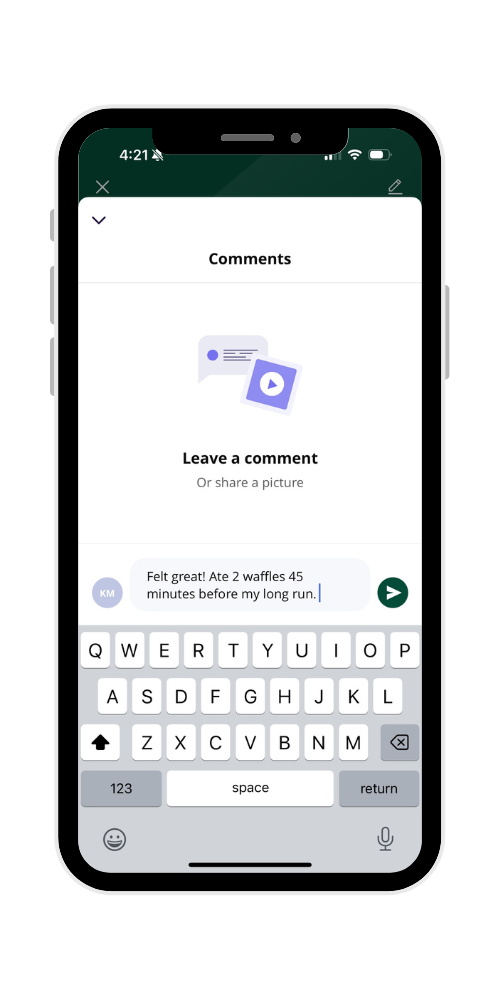
How you perform during a run can be impacted by how you fuel pre-run. Consider eating a meal or snack somewhere between 30 minutes and 4 hours before your run to show up feeling fueled and energized.
Ready to fine-tune your running nutrition? Download our free Fueling Guide for the Trails.
Q: How long before a run should I eat?
A: Aim for 1–2 hours before, depending on meal size.
Q: What if I can’t eat early in the morning?
A: Go for easy carbs like half a banana or a piece of toast. Something is better than nothing.
Q: Can I drink coffee before my run?
A: Yes, but just like food, test it during a training run first to avoid stomach upset during a long run or race.

Get strength and endurance tips, running recs, and all the Kathletics updates right to your inbox.
