
Hybrid Training
If you're a woman in your 30s or so, you’ve likely tried or have been told to try all the fad diets, fitness hacks, and quick fix approaches to improve your health. All of this information is being broadcasted to you while you’re also doing all the things — building a career, starting a family, maybe signing up for a race, or just navigating life. But here’s the thing: your 30s and beyond is a chance to build strength, resilience, and habits that last, not the time to hop on the latest trend. Your fitness isn’t a fad; it’s for life.
Let’s walk you through 10 fitness tips for women over 30.
Follow a sustainable fitness program that suits you and your lifestyle by joining Sustainably Fit, our hybrid training program built just for you.
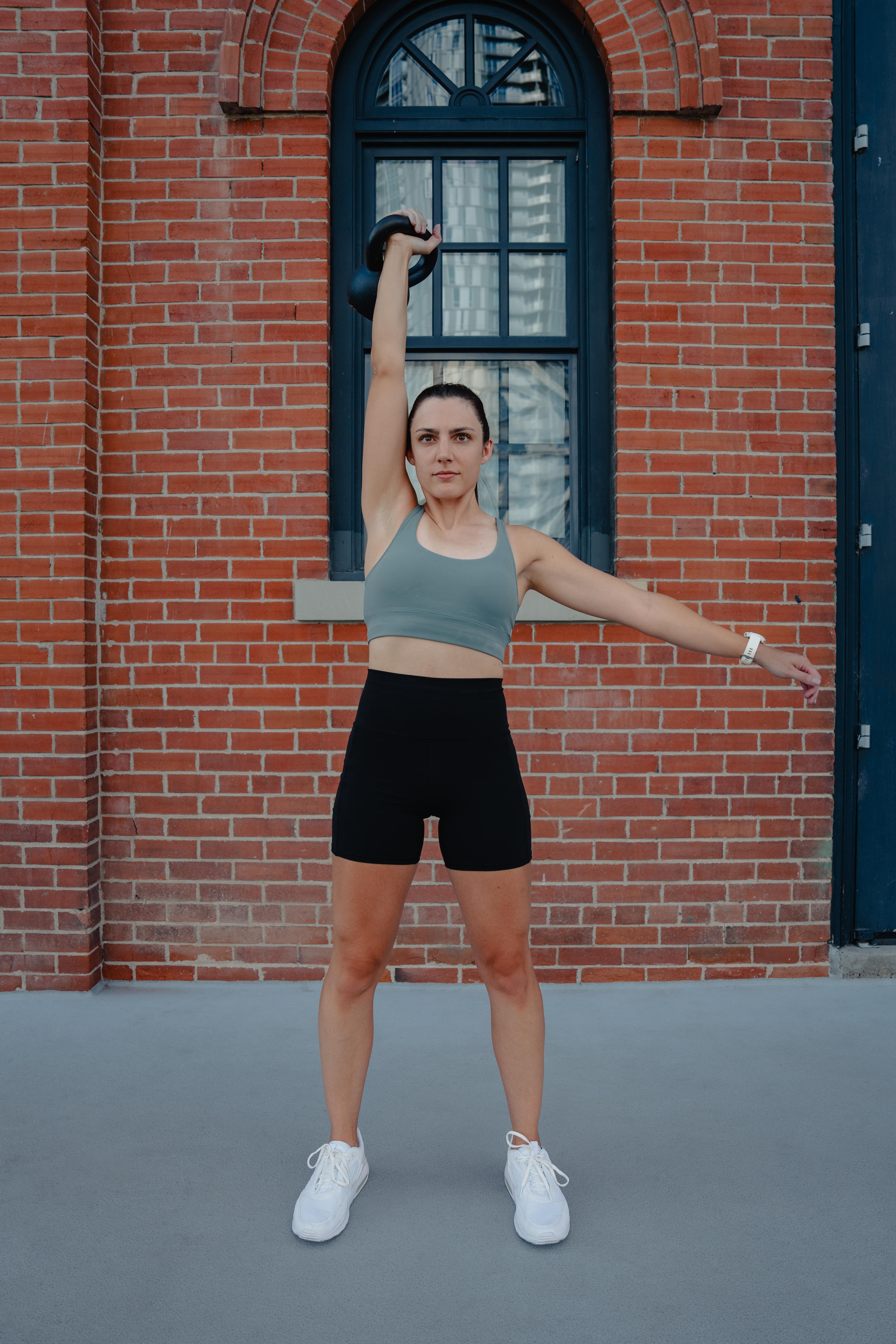
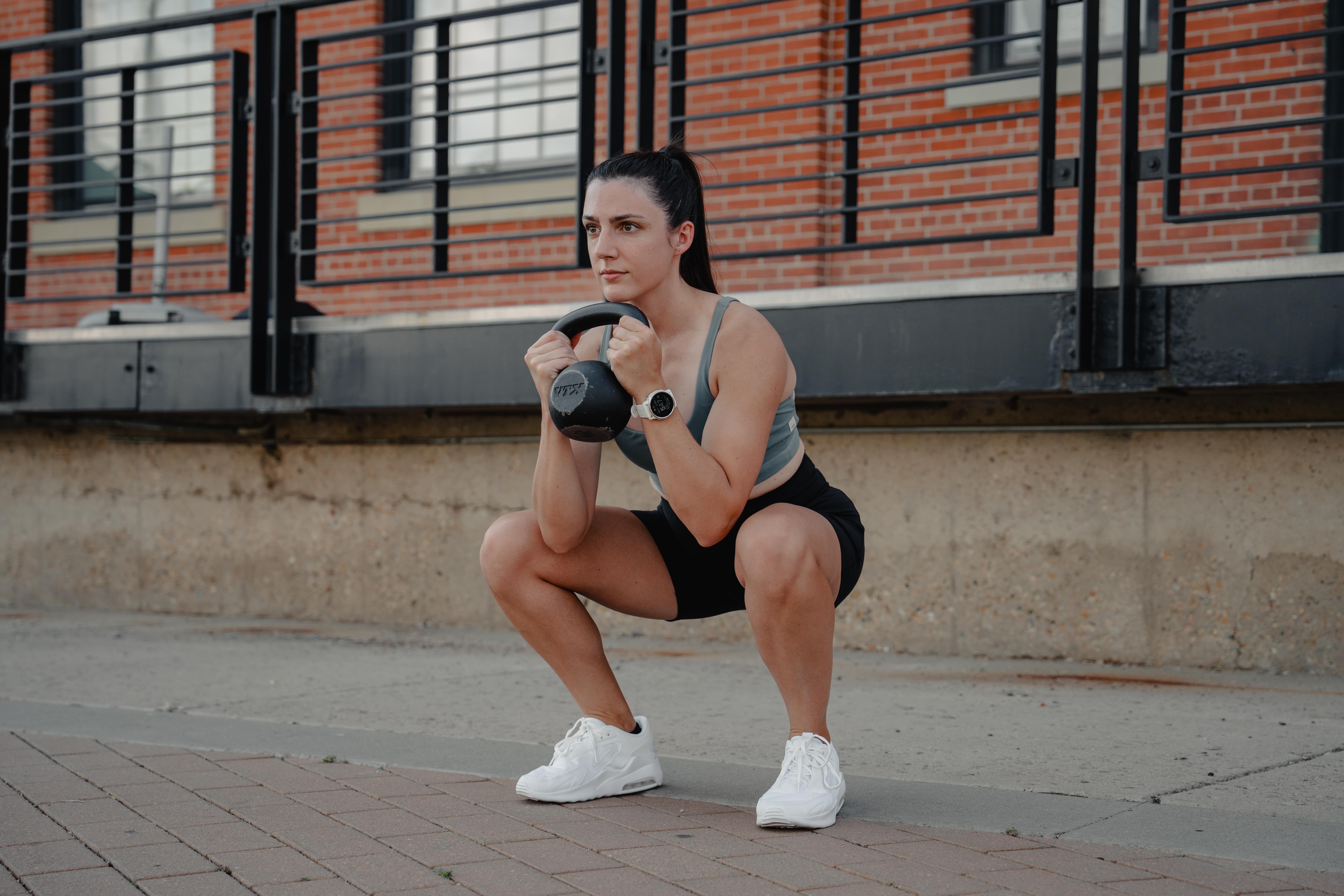
Strength work isn’t just for bodybuilders – it’s your foundation. Lifting helps build and maintain muscle, supports bone health, and gives you the power to say ‘yes’ to heck of a lot of life (whether that’s trekking with your hiking backpack, carrying groceries, or running after a toddler).
Aim for 30-60 minutes 2-3x per week. Within your strength training sessions, you’ll want to include: plyometrics like jumping, hopping, and bounding, compound movements like squat, deadlift, bench press, and row, accessories to support the compound movements like lunges, step ups, lat pull down, and shoulder press, and isolation exercises to focus on the smaller muscle groups like bicep curls, tricep extensions, and calf raises. Choose a combination of 5-8 exercises for 2-4 sets each and you’ll be on your way to gaining strength, endurance, and power. Oh, and don’t forget to warm-up! Want to know what to include in your warm-up? Read our blog post.
Bonus: if you have a goal with running or another activity, getting specific with exercises for your hip flexors, adductors, etc. could be beneficial to add in, too.
Did you know that after 30, you will lose 3-8% of muscle every decade? Not on your watch! You can counteract this with consistent and progressive strength training.
Aerobic fitness is important for your heart health, but you don’t need to run every day. Incorporate cardiovascular activity based on what you enjoy – trail running, hiking, biking, pickleball, skiing, etc. The combination of completing both strength training and cardiovascular training (otherwise known as hybrid training) throughout the week helps build longevity and avoids burnout.
Aim for 30-60 minutes 2-4x per week to stay aerobically fit all year round. For some people, it may make sense to have one longer cardio day based on your goals, fitness level, and enjoyment, such as going on a long hike with your friends, or spending the day skiing with your family.
Note: most of your cardio sessions should be easy. Yes, complete 1-2 moderate-hard sessions per week, but the other 2-3 should be fairly easy to improve your aerobic base.
Your body needs recovery just as much as it needs training and stimulus. In fact, rest days are where the magic happens: this is when your muscle fibers repair and rebuild to come back bigger and stronger than before. Rest days are essential to a well-balanced training program. Aim for 1-3 rest days per week depending on your goals, training availability, and lifestyle.
In addition to rest days, aid your recovery by staying mobile through light walking, light dynamic stretching or mobility sessions. Think: cat cows, hip openers, and thoracic rotations. These sessions can be done throughout the week and at your leisure. Feel free to use recovery tools like foam rollers, massage guns, etc., but understand that good recovery comes from being met where you are in your fitness, solid program design, proper fueling strategy, and true rest.
Note: rest day activities do not include strength workouts, running, HIIT, or other intense activities.

Consistency does not require nor equal perfection. The goal isn’t to train as much as possible or always workout six days a week (unless that truly sparks joy and suits your goals), but to be consistent in a way that fits your goals, training availability, and lifestyle. Small, sustainable habits and actions win in both the short term and the long term. That could look like three lifts and two runs, and a weekly hiking outing with your family or friends, or two lifts and two bike rides. It’s important to be realistic with your training availability so your goals are attainable. When you meet yourself where you are in your fitness and are honest with your expectations, you will be unstoppable!
Consuming enough energy to support your life and your activities matter. Whether you come from a background of structured or unstructured eating, taking the approach of intuitive eating can be helpful to ensure you’re eating enough daily. You can eat intuitively while also prioritizing protein to support your muscles and bodily functions, healthy fats for hormonal balance, fiber for a healthy gut (including fruits, vegetables, nuts, and seeds), and carbohydrates to support your training, brain, and muscles. Consider working with a registered dietitian to level up your approach to nutrition for the long run.
While using the scale can be a helpful tool if you have weight loss or gain goals, it is only one piece of the puzzle. The scale can’t determine your improvements in strength, endurance, mobility, energy, and sleep. To see progress in these areas, you’ll want to track these metrics by following a training program and logging your sessions. Include your reps, sets, weight, tempo, RPE (rate of perceived exertion), and rest times. This is all set up for you in our hybrid training programs. It can also be helpful to log your energy and sleep quality daily and/or weekly to bring awareness to trends. By tracking your progress, you’ll be able to see the bigger picture of how strong you feel, how your endurance is improving, and how you feel overall. These wins are significantly more meaningful than a number on the scale.
What’s that saying? Failure to have a plan is planning for failure? Following a training program that meets you where you are at matters. Whether you’re following a structured hybrid training program or designing your own workouts, make sure your routine includes strength training, cardiovascular training, and sufficient recovery. Good program design will include cycles of endurance-, strength-, power-, and sometimes hypertrophy-focused phases with deload weeks, that also compliment your cardiovascular training cycles of aerobic base building, capacity building, and peak cardio phases. Program design will have an impact on your consistency, progress, and ability to recover.
Want to learn how to create a hybrid training workout split? Check out our blog post.
.jpg)
Your goals might be performance-based, such as running a 10K or getting stronger on deadlifts, or life-based, such as carrying your camping gear more easily, playing on the ground with your kids without pain, or a combination of both. Regardless of your goals, check in with yourself every few months or so to ensure your goals still align with your training availability. Life comes with all sorts of ups and downs within your family, career, and personal life – your fitness should work around it, not be the sole focus. Yes, you want to care for your health, but if your fitness goals are stressing you out the most, it might be time to reevaluate.
Aim to go to bed at similar times each day and get 7-9 hours of sleep. This might seem nearly impossible for early childhood parents (rightfully so). The quality of your sleep begins earlier than just when your head hits the pillow and you close your eyes. Your sleep quality is impacted by caffeine intake, alcohol intake, stressors, bedtime routine, and room temperature, to name a few.
Set yourself up for success by limiting daily caffeine intake 6-10 hours before bed, limiting alcohol intake in general (no amount of alcohol is beneficial for sleep), dimming the lights an hour or so before bed, limiting screen time 1-2 hours before bed, and adjusting the bedroom temperature to 60-67 degrees.
Fitness isn’t just physical. In fact, I’d argue that a good chunk of it is also mental. Your mindset, stress levels, and sleep are all part of the health and fitness equation. Schedule rest days the same as you schedule training sessions. Practice mindfulness with quiet time, breathwork, or meditation. Go to bed at similar times each night. Do what you need to do to decompress. When your mental and physical health are aligned, training is more effective and sustainable.
Now is the time to take your power back after originally being taught that fitness is about punishing your body. Newsflash: it’s not. Fitness is empowering. It’s about building strength so you can live an intentional and adventurous life. Whether you’re lifting, hiking, running, or just doing daily life stuff, you deserve to feel capable and confident.
.png)
Katharine Moustakes is the founder, personal trainer, and running coach of Kathletics. She coaches runners, hikers, and outdoor enthusiasts to build strength and endurance that can be sustained all year long. Through the Kathletics blog, she shares practical advice to help athletes train smarter, stay consistent, and achieve their goals.
Get strength and endurance tips, running recs, and all the Kathletics updates right to your inbox.
